Biggest Buds Pro Truly Wireless Buying Mistakes (And How to Avoid Them)
Introduction
The wireless audio market has rapidly evolved, with countless options promising to deliver optimal sound and user-friendly features. One product that continually draws attention is the Buds Pro Truly Wireless earbuds. Though admired for their sleek design and robust features, prospective buyers often make mistakes during their purchasing journey—either due to misinformation, overblown marketing promises, or simply missing the details that matter in real-world usage.
This article aims to unveil the most common buying missteps surrounding the Buds Pro Truly Wireless, provide a comprehensive analysis of the earbuds, outline their pros and cons, and offer a practical buying guide to help consumers make informed decisions based on actual user experiences and needs.
Product Overview: Buds Pro Truly Wireless
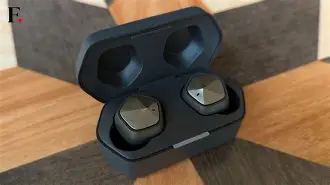
The Buds Pro Truly Wireless are marketed as premium earbuds, providing an immersive audio experience, advanced noise cancellation, strong connectivity, and an ergonomic fit. Popular among commuters, office workers, fitness enthusiasts, and casual listeners, these earbuds target a broad spectrum of real-world users.
Key product highlights and features include:
- Active Noise Cancellation (ANC)
- Transparency or Ambient Sound Mode
- Compact and lightweight charging case
- IPX4 or higher water/sweat resistance
- Up to 5-8 hours playback per charge, with 20-28 hours total via case
- Touch or pressure-sensitive controls
- Multipoint connectivity (pair with two devices at once)
- Support for voice assistants
- Customizable EQ via companion app
While these features offer clear advantages, the real value depends on understanding what matters most in everyday scenarios. Let’s explore the main mistakes buyers make and how to avoid them.
Common Buds Pro Truly Wireless Buying Mistakes
1. Overprioritizing Technical Specs Over User Experience
Many shoppers zero in on specifications—like Bluetooth version, driver size, or high-res audio codec support—while ignoring reviews on real-world usability. For example, while the Buds Pro Truly Wireless support high-quality AAC and SBC audio codecs, audiophiles might expect LDAC or aptX, which are often absent in this price tier.
More important for most users is connectivity reliability, comfort across extended wear, and how seamless pairing is with their primary device (e.g., iOS, Android, or Windows). In practice, a slightly older Bluetooth version rarely impacts a daily commute or a gym session as much as a stable, well-designed companion app or solid call quality.
2. Ignoring Fit and Comfort for Extended Use
A frequent mistake is overlooking earbud ergonomics. The Buds Pro Truly Wireless generally offer multiple eartip sizes and a relatively compact shape, but user feedback highlights that fit varies by ear shape. Buyers swayed by aesthetics alone may find the fit uncomfortable over time, affecting sound isolation and stability, especially during runs or workouts.
Before purchase, consult in-depth reviews or, ideally, test the fit in-store. Pay attention to whether the case is pocket-friendly and if the buds are comfortable for video calls or podcasts that stretch beyond an hour.
3. Confusing Water Resistance Ratings
The Buds Pro’s IPX4 or IPX7 rating can be a strong selling point, signifying water or sweat resistance. However, this does not mean they can withstand swimming or heavy rain submersion. Some disappointed buyers, mistaking splash-proof for fully waterproof, end up damaging their devices through misuse.
For gym-goers or runners, the rating ensures protection against sweat and light showers, but they should never be used during water sports or in the shower.
Shop the latest Audio & Headphones picks on Amazon.
View Offers →4. Misunderstanding Active Noise Cancellation Capabilities
Active Noise Cancellation is a marquee feature for wireless earbuds. The Buds Pro Truly Wireless do a commendable job at reducing low-frequency noise (e.g., air conditioner hums, airplane engines), but no earbuds can offer true silence—especially for higher frequencies like voices or sudden sounds.
Prospective buyers should set realistic expectations: these earbuds, like their competitors, improve ambient noise but won't create a 'cone of silence.' Relying on review videos and user testimonials helps set proper expectations for their living, commuting, or work environments.
5. Overestimating Battery Life Promises
Manufacturers often advertise theoretical maximums with ANC off and moderate volume. In real-world use—especially with ANC enabled and higher volumes—users commonly report 4-6 hours per charge, rather than the 7-8 hours promised. If long-haul usage is critical, consider lower expectations or the need for frequent charging.
6. Underestimating the Importance of Software and Ecosystem Integration
High-end features like customizable EQ, firmware updates, and multipoint connectivity depend on the quality of the companion app. Some buyers discover, post-purchase, that their phone or platform (e.g., an outdated Android version) isn’t fully compatible, leading to missing features or unreliable updates.
Check ahead whether the product’s app supports your device and operating system—this is especially relevant if your household has a mix of iOS and Android users.
7. Not Considering Alternatives and Price Trends
Competition is fierce in the wireless audio market. Buyers who settle for the first deal or brand nam…Assessing alternatives, considering current discounts, and ensuring the features match actual needs can save disappointment (and money) in the long term.
Detailed Review: Buds Pro Truly Wireless in Real-World Usability
The Buds Pro Truly Wireless stand out in several respects, with their sound quality being frequently praised. Bass is punchy but controlled, mids come across crisp without being sibilant, and highs are clear but not fatiguing. ANC performance, while not on par with over-ear headphones, is competitive for the price and form factor.
In the office, these earbuds excel at facilitating focus—thanks to decent passive isolation and rapid switching between ANC and transparency modes. For phone calls, dual or triple microphones per bud provide good voice clarity, even on busy streets, although wind handling can be a weak spot depending on firmware updates.
The charging case’s compactness adds carry convenience, supporting both wireless charging and quick charging for users in a hurry. Reliable touch controls—customizable via the companion app—make adjusting volume, playback, and answering calls straightforward but can be occasionally too sensitive.
Where the Buds Pro Truly Wireless lag is in multi-device switching. While technically supported, switching isn’t always seamless—typically requiring user action through the app rather than automatic handoff. Firmware updates occasionally address issues but depend heavily on user tech-savviness to install.
Discover deals on Audio & Headphones — updated daily.
View Offers →Lastly, the companion app is functional, offering EQ customization, battery status, and settings management; however, integration and stability are best on top-end phones and newer operating systems.
Pros and Cons of Buds Pro Truly Wireless
- Pros:
- Excellent sound quality for music, calls, and podcasts
- Effective ANC for daily environments
- Lightweight, comfortable design with several eartip options
- Strong battery life under moderate use
- Fast and wireless charging support
- Water/sweat resistance for active lifestyles
- Customizable controls and EQ via app
- Good passive isolation even without ANC
- Cons:
- Fit may not suit all ear shapes and sizes
- Advertised battery life optimistic with full features enabled
- ANC struggles with sudden, high-frequency noise
- App dependency for full feature set and updates
- Occasional bugs or glitches after firmware updates
- Wind noise during calls can be problematic
- Multi-device switching not always seamless
- Absence of audiophile codecs like LDAC/aptX
Buds Pro Truly Wireless vs. Competitors
| Feature | Buds Pro Truly Wireless | Competitor A | Competitor B |
|---|---|---|---|
| Active Noise Cancellation | Effective for low-mids | Stronger ANC, pricier | Moderate ANC, value-focused |
| Sound Quality | Balanced, punchy bass | Bass-heavy, less clarity | Crisp highs, less bass |
| Fit & Comfort | Compact, ergonomic with tips | Bigger case, plush fit | Lighter, may slip during workouts |
| Battery Life (buds/case) | 5-6h/24h (real-world w/ ANC) | 6-8h/30h | 4-5h/20h |
| Water Resistance | IPX4/IPX7 | IPX7 | IPX5 |
| App Features | EQ, ANC, controls | Robust app, extra features | Basic app, just firmware |
| Multipoint | Supported, manual switch | Supported, auto-switch | Not supported |
| Pricing | Mid-range | Flagship/high-end | Budget-friendly |
Buying Guide: Getting the Right Buds Pro Truly Wireless for Your Needs
1. List Your Priorities
Think about real-world scenarios: Do you care most about workout security, daily long-listen comfort, noise cancellation for the subway, or seamless device switching between phone and laptop? Create a quick checklist of your priorities before searching.
2. Try Before Buying
Where possible, test both the sound signature and physical fit. Even among premium earbuds, comfort is subjective. If you can’t test in-store, check the store’s return and exchange policy.
3. Research User Feedback and Reviews
Monitor recent user ratings and community forums. Watch for mention of firmware bugs, connectivity quirks, or issues with specific phone models—these are often missed in early reviews but crucial for smooth ownership.
4. Consider the True Cost
Beyond up-front price, factor in accessory replacement (eartips, charging cables, case covers), especially for buyers who are active or travel frequently. Brands may bundle spares, but not always.
5. Assess Compatibility
Review the companion app’s compatibility on your phone or tablet. Some features, including EQ presets or software updates, may not be available on older OS versions or all device types.
6. Set Realistic Expectations
Understand what the Buds Pro Truly Wireless are designed to do well—and where limitations exist (like audiophile listening or total noise isolation). Avoid disappointment by aligning your needs with what these earbuds (and their competitors) are realistically able to deliver.
Conclusion
The Buds Pro Truly Wireless bring together a blend of style, quality sound, and smart features—making them a popular choice among wireless audio seekers. However, the best buying decision comes from matching features to personal priorities, researching real-world user experience, and avoiding common pitfalls like overvaluing tech specs or underestimating comfort and app support.
By staying informed and attentive, buyers can not only sidestep the biggest wireless earbud mistakes but also confidently enjoy their Buds Pro Truly Wireless in everyday life, whether for work, travel, or leisure listening.