Biggest Hero10 Black Buying Mistakes (And How to Avoid Them)
Introduction
The GoPro Hero10 Black remains a popular choice among action-camera buyers who prioritize compact size, rugged build, and pro-level video quality. Yet despite its reputation, many shoppers make avoidable mistakes when choosing, configuring, and using the Hero10. Those mistakes can lead to disappointing footage, unexpected costs, or a device that doesn't match a buyer's real needs.
This article outlines the most common Hero10 Black buying pitfalls and provides practical guidance on how to avoid them. It focuses on real-world use cases—surfing, mountain biking, travel vlogging, skiing, and underwater shooting—and addresses what buyers typically care about: image quality, stabilization, battery life, mounting ecosystems, audio, and long-term reliability. The goal is to help readers make an informed purchase and get better results from the camera straight away.
Detailed Product Review and Analysis
What the Hero10 Black offers in everyday terms
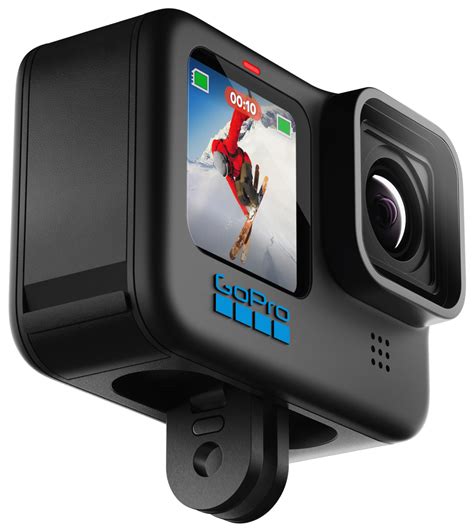
The Hero10 Black is a compact, waterproof action camera designed to capture fast-moving, high-resolution footage while surviving knocks, dust, and water. It pairs a high-frame-rate capable image sensor with an upgraded onboard processor to enable smooth stabilization, quick touch responses, and responsive app synchronization. For everyday users, that means cleaner 4K/60 and higher-definition modes, smoother handheld footage without a gimbal, and a fast workflow from capture to edit.
Video quality and resolution
One of the Hero10's headline features is its ability to record very high-resolution video suitable for cropping, stabilization, and future-proofing projects. In practice, buyers should balance resolution against workflow demands: shooting at the highest resolutions generates large files, increases battery and heat load, and requires fast storage. For many users—travel vloggers, mountain bikers, and sports shooters—4K at common frame rates often provides the best compromise between image quality, manageability, and battery life.
Stabilization and motion handling
GoPro's stabilization algorithm is a core reason people choose the Hero line. In real-world conditions—jostling on rough trails, high-speed runs, or hand-held vlogging—advanced stabilization reduces the need for post-processing and separate gimbals. However, stabilization performance depends on resolution and frame rate choices: the most aggressive stabilization modes may crop the frame more, and very high-resolution modes can produce heat that forces thermal throttling during extended recordings.
Battery life and thermal behavior
Battery life is one of the biggest practical constraints. High-resolution and high-framerate modes drain batteries quickly, and cold conditions accelerate discharge. Buyers who expect two hours of continuous recording will be disappointed unless they plan for multiple spare batteries or external power solutions. Additionally, recording long 4K/5K clips in hot environments can trigger thermal limits; splitting long sessions into shorter takes and allowing cooling breaks helps.
Audio options and limitations
On-camera microphones are useful for ambient sound and quick vlogs, but they have limits in wind, water, and noisy environments. For interviews or focused vocal recording, an external microphone or a dedicated audio solution is preferable. GoPro-compatible audio mods or housings that accept an external mic significantly improve results for creators who prioritize clear spoken audio.
Durability and real-world resilience
The Hero10 is built to be waterproof without a case to a specified depth and to survive everyday drops and splashes. Still, impacts to the lens cover, prolonged saltwater exposure, and sand intrusion can cause problems. Rinsing with fresh water after saltwater use, protecting the lens surface, and checking seals during extended outdoor use are simple, effective precautions.
Software and ecosystem
GoPro's companion apps and firmware updates add features, performance improvements, and bug fixes. Buyers often underestimate the importance of keeping firmware and mobile apps current—doing so fixes many day-one problems, improves battery and audio behavior, and occasionally expands format or codec support. The camera's ecosystem—mounts, protective housings, filters, and accessories—is mature, but buyers should verify compatibility before purchasing third-party items.
Common Buying Mistakes and How to Avoid Them
Mistake: Choosing the highest resolution without considerating workflow
Why it happens: Marketing highlights the top-resolution specs, and buyers assume "more is always better."
Consequence: Excessive file sizes, slower editing, reduced battery life, and overheating in long sessions.
How to avoid it: Match resolution and frame rate to the use case. For social media and day-to-day vlogging, 4K at 30–60fps is often sufficient; reserve top-end modes for shots that will be heavily cropped or repurposed for large displays.
Mistake: Buying the camera but skimping on fast microSD cards
Why it happens: Memory cards are treated as an afterthought.
Shop the latest Electronics picks on Amazon.
Shop Amazon →Consequence: Dropped frames, corrupted files, and inability to record in some high-bitrate modes.
How to avoid it: Buy cards rated for sustained high write speeds—look for Video Speed Class V30 or higher and reputable brands. Consider UHS-II cards if the camera supports them and the buyer plans lots of high-bitrate 4K/5K recordings.
Mistake: Underestimating battery needs
Why it happens: Buyers expect the camera's advertised recording time to match real-world conditions.
Consequence: Missed shots, interrupted sessions, and frustration on long outings.
How to avoid it: Plan for at least one or two spare batteries for day trips. Use power banks for extended stationary shoots and keep batteries warm in cold weather. Disable unnecessary features (like continuous high-refresh displays) to stretch runtime.
Mistake: Ignoring audio accessories
Why it happens: Onboard microphones are convenient, and buyers assume they'll be "good enough."
Consequence: Poor voice clarity, wind noise, and unsatisfactory interviews.…
How to avoid it: For content where voice matters—vlogs, interviews, or tutorials—budget for an external microphone or a media mod that supports a lavalier or shotgun mic. Learn basic wind protection techniques (deadcat, placement) for outdoor scenes.
Mistake: Buying used without checking for water or impact damage
Why it happens: Used cameras are tempting for cost savings.
Consequence: Hidden problems like fogging, sensor damage, or compromised seals can render the camera unreliable.
How to avoid it: Inspect used units for dents, lens scratches, fogging inside the lens cover, and evidence of saltwater exposure. Test all functions—record a short clip, check charging behavior, and verify Wi‑Fi and Bluetooth connectivity before finalizing the purchase.
Mistake: Neglecting mounting and protective accessories
Why it happens: Buyers assume the camera's compactness eliminates the need for mounts or cases.
Consequence: Missed shot opportunities and unnecessary damage during activities.
Find top-rated Electronics products at great prices.
Browse Now →How to avoid it: Choose mounts tailored to the activity (helmet, chest, surface, or pole mounts). Use protective housings and lens covers for high‑impact sports and abrasive environments like sand or rock gardens.
Pros & Cons
- Pros:
- Excellent stabilization for handheld and helmet-mounted footage
- High-resolution recording suitable for cropping and downsampling
- Rugged, waterproof design without needing an external case
- Fast touchscreen and improved responsiveness for quick setup
- Mature ecosystem of mounts and accessories
- Cons:
- High-res modes consume battery quickly and can cause thermal limits
- Onboard microphones struggle in wind or noisy conditions
- High-bitrate files demand fast storage and a capable editing computer
- Accessory and spare battery costs add up for power users
- Some advanced features require careful configuration to avoid suboptimal footage
Comparison Table (Relevant Alternatives)
| Feature | Hero10 Black | Hero9 Black | Competitive Action Camera (Representative) |
|---|---|---|---|
| Processor & Responsiveness | Upgraded processor for faster menus and higher framerates | Solid performance but slightly slower UI | Varies—some rivals match framerate, others excel in battery |
| Maximum Resolution | Very high-resolution capture for cropping and future use | High resolution but slightly lower than the latest model | Some competitors offer similar resolution; others prioritize battery |
| Stabilization | Top-tier in-camera stabilization for most activities | Strong stabilization, marginally less aggressive | Competitive options often use different algorithms—results vary by scene |
| Battery Life | Good but reduced in highest-res modes | Comparable; some users report slightly better endurance at lower framerates | Some competitors trade raw performance for longer battery life |
| Accessories & Ecosystem | Extensive official and third-party mounts and mods | Extensive and compatible with many Hero10 accessories | Varying levels of accessory availability; check mount compatibility |
| Price Considerations | Often priced as a flagship action camera | May be available at lower prices—good value for many buyers | Some rivals undercut pricing; others charge premium for unique features |
Buying Guide: What to Consider Before Purchasing
Define the primary use case
Buyers should start by specifying how they will use the camera. Use-case examples:
- Surfing, diving, snorkeling: Waterproof performance and lens corrosion resistance are priorities. Rinse the camera after saltwater use and consider floatation accessories.
- Mountain biking and downhill sports: Stabilization and secure mounts matter most; helmet and chest mounts are common.
- Vlogging and travel: Front-facing screens, quick menu access, and quality audio are important.
- Action filmmaking: High-resolution capture, color profiles, and ND filters for cinematic motion blur are desirable.
Storage and memory cards
Choose cards that match the camera's sustained write requirements. For high-bitrate 4K/5K capture, a card rated V30 or higher and produced by a reputable manufacturer reduces the risk of dropped frames. Keep multiple cards to avoid on-trip data shuffling and consider a portable backup drive if shooting long sessions.
Power planning
Plan for spare batteries or a portable power bank. Consider a small power pouch to keep batteries warm in cold conditions, which improves performance. For timelapse or long stationary shoots, check for continuous power options such as USB-C power delivery.
Audio and microphone choices
If voice quality matters, plan for an external microphone solution or a mod that supports one. Learn basic wind mitigation techniques and judge whether an on-camera solution or a separate audio recorder fits the workflow best.
Mounts and protective gear
Match mounts to activities—helmet for head-mounted POV, chest for a lower perspective, and clamp mounts for bikes or poles. Invest in lens protectors and replaceable covers for abrasive environments. For underwater photography, consider filters or housings that support color correction at different depths.
Software and editing workflow
High-resolution files require a capable editing system. Confirm video codecs and bitrates are compatible with the editor of choice. Many buyers find shooting at a slightly lower resolution but higher frame rate simplifies editing. Factor in whether the buyer will rely on in-camera stabilization or prefer gimbal-based stabilization in post.
Used market and warranty
When buying used, verify the camera's condition and request sample footage. Look for signs of water intrusion, lens damage, and functional issues like failing touchscreens or unstable Wi‑Fi. When buying new, check warranty terms and what they cover—some warranties exclude water damage from improper use.
Firmware and app management
Plan to update firmware and companion apps. Firmware updates can fix bugs and improve camera performance. Confirm that the smartphone app and editing tools used are compatible with the chosen camera model.
Practical Tips for First-Time Owners
- Test everything before your trip: Record a few short clips in all the modes you plan to use. Check audio, stabilization, and card behavior.
- Carry a small toolkit: Extra batteries, a card reader, lens cleaning cloth, and a compact multi-tool can solve most on-location issues.
- Plan clip lengths: Use shorter clips for high-resolution modes to avoid large files and overheating.
- Use standardized settings presets: Create and save camera presets for common scenarios (surfing, low light, slow motion) to speed setup and reduce errors.
- Mind mounts and fasteners: Double-check screws, quick releases, and adhesive mounts before starting fast activities.
Conclusion
The Hero10 Black delivers compelling image quality and stabilization in a compact, rugged package, but buyers who focus only on headline specs can quickly encounter practical problems: heavy files, short battery life, and accessory gaps. Avoiding the common mistakes—like overcommitting to the highest resolutions, skimping on fast storage, or neglecting audio—leads to a much better ownership experience.
Ultimately, thoughtful planning around use case, storage, power, and mounting yields the best results. By matching settings and accessories to the intended activity and adopting straightforward field-tested habits—extra batteries, good microSD cards, and a clear shooting checklist—buyers will capture more satisfying footage and get more value from the Hero10 Black.