Don't Buy Until You Read This: Samsung Galaxy S25 Fe vs Apple Iphone Air
Introduction
Choosing a new smartphone is often a balancing act between performance, camera quality, battery life, software experience, and long‑term value. The Samsung Galaxy S25 Fe and the Apple Iphone Air are aimed at buyers who want many flagship conveniences without an extreme price premium. This article examines both phones in practical, buyer‑focused terms: how they perform day to day, who each model suits best, and which trade‑offs matter most for common use cases.
What buyers typically care about
When deciding between phones in this class, most buyers prioritize several recurring factors:
- Performance: smoothness in everyday tasks, gaming, and multitasking;
- Camera capabilities: image quality across light conditions and usable software;
- Battery life and charging: how long a full day looks like under realistic use and how fast it refuels;
- Software and updates: longevity of OS support and the quality of the manufacturer’s ecosystem;
- Design and durability: comfort, weight, water resistance, and repairability;
- Value: what features the buyer gets for the money, including storage and accessory support.
Quick overview: positioning and target users
The Samsung Galaxy S25 Fe positions itself as a feature‑rich, slightly trimmed flagship that brings many premium Samsung features at a friendlier price. It tends to attract buyers who value an open ecosystem, customization, and a strong display. The Apple Iphone Air aims to deliver Apple’s design language and iOS ecosystem in a lighter, possibly more affordable package, attracting users who value seamless integration with Macs, iPads, and services such as FaceTime and iMessage.
Detailed product analysis
Design and build
The Galaxy S25 Fe follows Samsung’s recent design cues with a flat display option, metal frame, and a focus on tactile ergonomics. The finish typically prioritizes matte or satin textures to reduce fingerprints. Water resistance and Gorilla Glass (or comparable protection) are generally present as standard. The handset balances screen size with one‑hand usability for buyers who prefer larger displays but manageable grips.
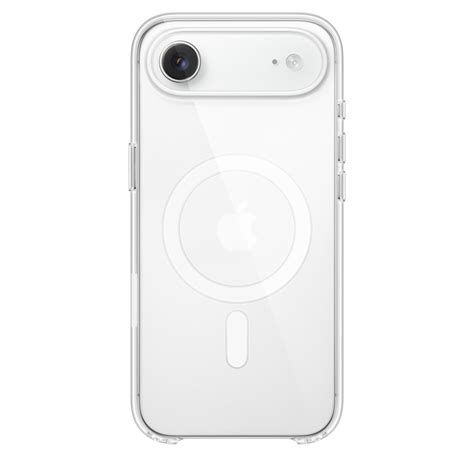
The Iphone Air emphasizes a minimalist aesthetic with clean lines and a thin profile. Apple’s attention to fit and finish usually results in a premium feel and confident daily handling. The Air line typically trades off a little on camera bump size or battery capacity to reach its weight and thinness targets. Apple’s water resistance and Ceramic Shield‑type glass further support durability in everyday scenarios.
Display and media
Sony‑quality displays aside, Samsung often leads with bright, high‑contrast AMOLED panels capable of vivid colors and deep blacks, which benefits media consumption and navigation in bright daylight. The S25 Fe is commonly a strong choice for buyers who watch streaming video or play visually rich games on mobile thanks to responsive refresh rates and high peak brightness.
Apple’s iPhone Air screen typically favors natural color rendering and excellent color calibration out of the box. With iOS color management, photos and UI elements look consistent across Apple devices, which is ideal for photographers and content creators who already use Macs or iPads. While Apple’s panels historically match or exceed in real‑world clarity, Samsung’s may feel punchier for HDR content.
Performance and everyday use
Samsung’s mid‑to‑high tier models often pair powerful chipsets with ample RAM enabling fast multitasking and gaming. The S25 Fe aims to deliver smooth scrolling, reliable background task handling, and competent performance for popular games. It also benefits from expandable software features, like split‑screen multitasking, and more visible performance tuning options.
Apple’s iPhones generally deliver strong single‑core performance and efficient thermal management owing to Apple silicon and tight hardware‑software integration. The Iphone Air will likely feel consistently snappy for app launching, web browsing, and creative apps. For users invested in the Apple ecosystem, the phone’s performance contributes to a cohesive experience across devices (handoff, AirDrop, continuity camera).
Camera experience
Samsung aims to provide versatile camera systems with computational photography features: improved night modes, multi‑frame processing, and AI‑assisted scene optimization. The S25 Fe is designed to offer flexibility—wide, ultrawide, and sometimes a telephoto option—making it practical for travel, social media, and everyday photography.
Apple’s photographic approach emphasizes color accuracy, realistic skin tones, and a predictable image pipeline. The Iphone Air typically handles stills, portraits, and video recording with consistent exposure and balanced dynamic range. For buyers who prioritize point‑and‑shoot reliability and video workflows (especially those who edit on Macs or iPads), Apple’s system is often preferred.
Shop the latest Mobile Phones picks on Amazon.
See Deals →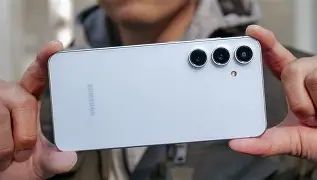
Battery life and charging
Battery longevity depends as much on software optimization as raw capacity. Samsung models often offer larger batteries and fast wired charging, plus reverse wireless charging in some cases. The S25 Fe is expected to cover a full day for most users with mixed usage and may allow more aggressive power‑saving customization.
Apple focuses on efficiency; the Iphone Air’s battery life tends to be reputable under typical workflows and benefits from iOS power management. Charging speeds on Apple devices are usually conservative compared with some Android rivals, but wireless and MagSafe‑style convenience can appeal to users already in Apple’s accessory ecosystem.
Software, updates, and ecosystem
Samsung runs Android with its One UI skin, which offers broad customization, feature depth, and compatibility across many apps and accessories. Samsung has also improved long‑term support in recent years, extending OS and security updates for multiple generations. Buyers who prioritize customization, file system access, and choice of app stores will find Samsung appealing.
Apple’s iOS is the benchmark for polished, intuitive software with strong privacy controls and long update windows. The Iphone Air benefits from a consistent experience, smooth app performance, and ongoing OS support that often exceeds many competitors. Users deeply embedded in Apple services will see productivity and convenience gains.
Durability and repairability
Both phones are built to withstand everyday use, with water and dust resistance and strengthened glass. Repairability vari…Pros & Cons
Samsung Galaxy S25 Fe — Pros & Cons
- Pros: Versatile display with high brightness and refresh rate; flexible software and customization; often stronger camera feature set for varied shooting scenarios; typically robust battery and fast charging options; broader accessory compatibility.
- Cons: Software skin adds layers that some users may not want; potential inconsistency in color calibration compared with Apple; long‑term resale may lag behind Apple devices in some markets.
Apple Iphone Air — Pros & Cons
- Pros: Smooth, consistent iOS experience and long update support; strong single‑core performance and app optimization; excellent ecosystem integration for Apple device owners; predictable camera output and reliable video workflows.
- Cons: Less flexibility with customization and file access; charging speeds may feel conservative; repair costs and accessory lock‑in are considerations for long‑term ownership.
Side‑by‑side comparison table
| Category | Samsung Galaxy S25 Fe | Apple Iphone Air |
|---|---|---|
| Design | Metal and glass with ergonomic feel; focus on matte finishes | Thin, lightweight profile with premium fit and finish |
| Display | Vivid AMOLED, high refresh rate, very bright for outdoor use | Color‑accurate OLED/Liquid Retina with consistent calibration |
| Performance | High‑end Android chipset with flexible multitasking | Apple silicon with strong single‑core performance |
| Cameras | Versatile system with computational modes and rich features | Consistent imaging, excellent video, natural color science |
| Battery & Charging | Typically larger battery, fast wired and wireless charging | Efficient battery life, reliable day‑to‑day endurance, wireless options |
| Software & Updates | Android with One UI; improved update cadence from Samsung | iOS with long update support and strong privacy features |
| Ecosystem | Open ecosystem, wide accessory compatibility, integration with Samsung devices | Deep Apple integration (Mac, iPad, Apple Watch, services) |
| Value | Feature dense for price; often includes more hardware features | Strong resale value for many markets; premium experience |
Real‑world use cases and which phone fits
For the photographer or content creator
Both phones will satisfy social media photographers, but the choice narrows by workflow. The Galaxy S25 Fe will appeal to creators who like in‑phone flexibility—more shooting modes, aggressive HDR options, and editing on device. The Iphone Air generally produces images that require minimal post‑processing and integrates seamlessly into Mac and iPad editing pipelines via AirDrop and iCloud Photos.
For the heavy or power user
Users who frequently multitask, use custom launchers, or want expandable feature sets may prefer Samsung. Those who value consistent app performance, energy efficiency, and long OS updates often lean toward Apple. Gaming performance will be excellent on both; differences will appear in controls, accessory support, and platform‑specific game optimizations.
For battery and travel
Travelers should look closely at battery specifications, standby behavior, and charging convenience. The S25 Fe’s typically faster charging can be useful for quick top‑ups during travel, whereas the Iphone Air’s efficiency and ecosystem of compact chargers and MagSafe accessories are convenient for Apple users who already invested in that ecosystem.
For someone in the Apple ecosystem
If the buyer already owns a MacBook, iPad, or Apple Watch, the Iphone Air becomes more attractive due to handoff, continuity camera, universal clipboard, and seamless device interplay. These conveniences save time and reduce friction in daily tasks like document transfers and multi‑device workflows.
Buying guide: What to check before choosing
Before committing to either phone, consider the following checklist that addresses long‑term satisfaction rather than immediate flash.
Discover deals on Mobile Phones — updated daily.
See Deals →1. Prioritize the ecosystem
Ask whether convenience between devices matters. If continuity, shared services, and single‑vendor simplicity are important, the Iphone Air will likely be the better fit. If choice, cross‑platform flexibility, and third‑party accessory options matter more, Samsung provides more freedom.
2. Consider day‑to‑day camera needs
Evaluate typical shooting conditions. For travel and varied scenes, the S25 Fe’s camera modes may provide more utility. For consistent, reliable stills and video for editing on Apple software, the Iphone Air offers a dependable pipeline.
3. Test the feel and display in person
Visit a store to judge sizes, weight, and display preference. A phone that fits comfortably in hand and pocket changes how often it’s used; displays that look great in a store may reveal differences in color tone and brightness outdoors.
4. Check update and support promises
Look up the manufacturer’s published OS update policy for the specific model in the buyer’s region. Longer official update windows can add years of usable life and security fixes.
5. Think about accessories and repair options
Confirm charger compatibility, cases, and screen protectors before purchase. Also research repairability and local service options; a good warranty and accessible repair network reduce ownership headaches.
6. Evaluate storage and price tiers
Choose a storage tier that reflects how the device will be used. Cloud backups and photos can mitigate lower onboard storage, but for heavy media creators, higher internal capacity or robust cloud plans should be planned for.
7. Read recent, hands‑on user reviews
Focus on long‑term reports about battery degradation, camera behavior in low light, and software stability. Recent firmware updates can change behavior substantially, so prioritize up‑to‑date hands‑on perspectives.
Conclusion
Both the Samsung Galaxy S25 Fe and the Apple Iphone Air offer compelling combinations of features tailored to slightly different priorities. The S25 Fe tends to reward users who want customization, a vivid display, and camera versatility at a competitive value. The Iphone Air rewards users who prioritize software polish, long‑term updates, and tight integration with Apple’s ecosystem.
Ultimately, the best choice depends on which trade‑offs align with the buyer’s daily habits: whether they value open customization versus a tightly integrated ecosystem, aggressive hardware features versus a predictable and efficient software experience. By prioritizing the checklist above—ecosystem fit, camera needs, real‑world battery performance, and support policies—buyers can pick the device that will deliver the most satisfaction over years of use.